
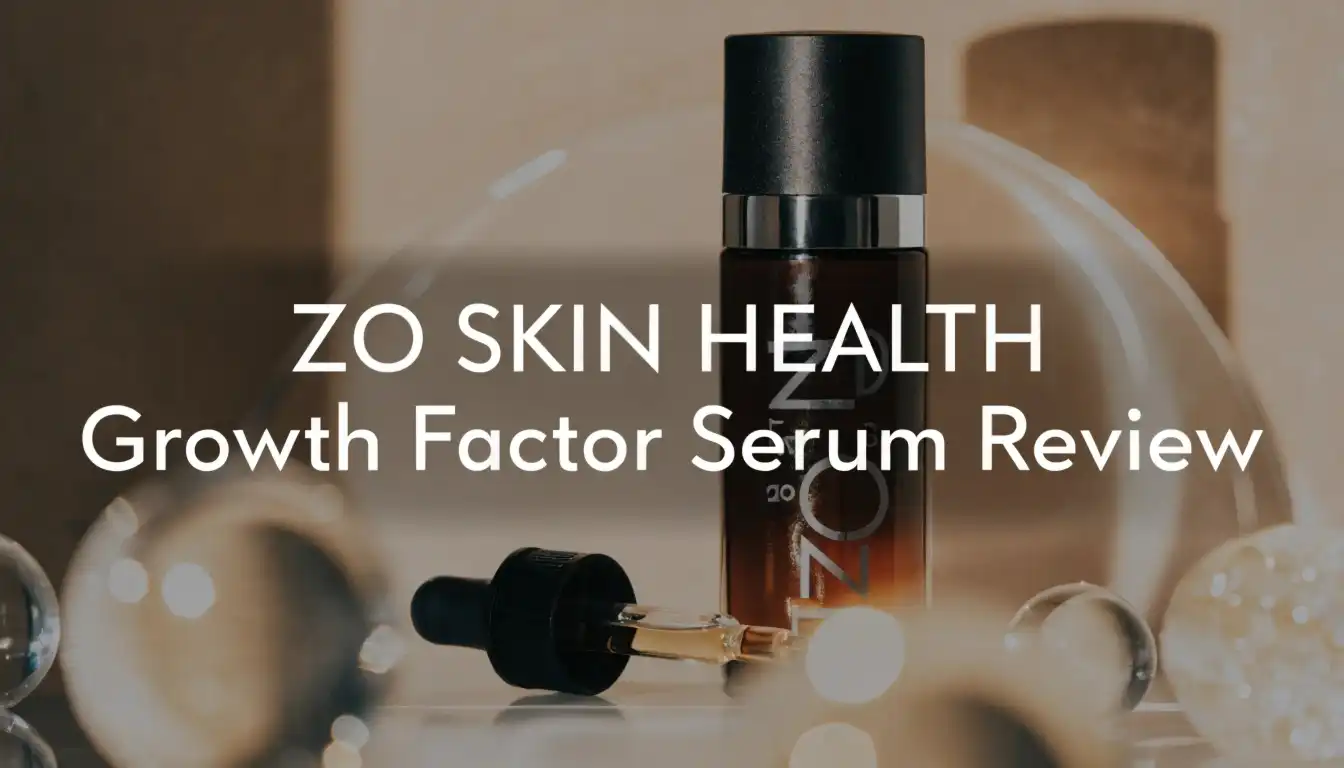
ZO Skin Health Growth Factor Serum Review 2026: Worth It?
Aging skin asks a simple question. Do growth factor serums actually work, or do they just cost a lot? The ZO Skin Health Growth Factor Serum sits near the top of that question. It carries a high price, a doctor backed formula, and a loyal crowd of users who say their skin changed in weeks.
I tested the claims, read the ingredient list, checked clinical data, and compared it with rival serums. What I found is useful, balanced, and slightly surprising.
If you want firmer skin, softer lines, and a serum that earns its money, keep reading. This review answers the questions shoppers ask before they click buy.
Key Takeaways
- What it is: A medical grade serum that uses a human comparable growth factor technology to support skin renewal and firmness.
- Best for: Adults with early aging signs, thinning skin, dull tone, and mild sagging who want visible change.
- Main strengths: Fast absorption, lightweight feel, strong clinical story, and support for collagen and elastin.
- Main weaknesses: High price, limited sizes, and slow results that need daily use for 8 to 12 weeks.
- Typical cost: Around $170 to $210 per bottle on Amazon and through clinics, depending on size.
- My verdict: A strong pick for serious skin care routines, but you must commit to daily use to see the payoff.
The serum is not a magic wand. It is a patient, steady product. Users who stay consistent report smoother texture and a firmer face. Users who quit after two weeks report nothing. That gap explains most of the mixed reviews online.
What Is ZO Skin Health Growth Factor Serum
ZO Skin Health is the brand Dr. Zein Obagi built. The company focuses on medical grade skin care sold through clinics and select retailers. The Growth Factor Serum is one of its flagship products for aging skin.

- Helps reduce the appearance of expression lines, lines and wrinkles
- Strengthens weak skin and minimizes irritation
- Restores hydration and enforces the skin’s protective barrier
Last update on 2026-10-26 / Affiliate links / Images from Amazon Product Advertising API
The serum targets visible aging signs. It aims to improve skin density, firmness, and smoothness. The brand claims skin can look up to six years younger after a full course of use. That claim comes from clinical testing, not from marketing wishful thinking.
The formula is a light gel that spreads fast and sinks in without grease. It works as a treatment step, not a moisturizer. You apply it to clean skin before your cream.
The product comes in a pump bottle that keeps the ingredients stable. Air and light break down growth factors, so packaging matters here. The pump design protects the formula and controls the dose.
This serum suits people who already use a structured routine. It fits after cleansing and before moisturizer. It also pairs well with sunscreen, retinol, and vitamin C, though timing needs care.
ZO Skin Health Growth Factor Serum Ingredients
The ingredient list is where this serum earns attention. The brand uses a human comparable growth factor technology. This means the proteins mimic signals your own skin already uses to repair itself.
Key players include:
- Fermented red ginseng extract: A workhorse growth factor source in the ZO lineup.
- Hydrolyzed sericin: A silk protein that supports moisture and smoothness.
- Buddleja davidii stem cells: Plant cells that calm skin and support antioxidant defense.
- Dipeptide diaminobutyroyl: A peptide that targets the look of expression lines.
- Tocopherol and beta glucan: Antioxidants that soothe and protect.
- Glycerin and dimethicone: Humectants and emollients that lock in water.
The blend avoids heavy oils. That keeps the texture light and reduces the chance of clogged pores for most users. People with very dry skin may still need a rich cream on top.
The formula also carries a patented antioxidant and protein complex. This mix supports collagen and fights free radical damage from sun and pollution.
One point deserves honesty. Growth factors are fragile. Heat, light, and air reduce their power. Store the bottle away from direct sun and keep the cap tight. That habit protects your money and your results.
How ZO Growth Factor Serum Works on Skin
Your skin slows down with age. Collagen production drops. Cell turnover lags. The barrier weakens. Fine lines appear and skin starts to sag.
Growth factors act like messages. They tell skin cells to repair and rebuild. The ZO serum delivers proteins that mimic your body’s own signals. Skin responds by boosting collagen and elastin over time.
The serum also supports hydration and barrier strength. Softer texture shows up early. Firmness and density take longer, often 8 to 12 weeks of twice daily use.
Think of it as training, not a quick fix. One workout changes nothing. Weeks of steady effort change the body. Skin works the same way.
The peptides in the formula add a second layer of support. They relax the look of expression lines and improve the appearance of creasing. The antioxidants handle daily stress from sun and pollution.
Results build quietly. Most users notice a calmer tone first. Then bounce returns. Then lines soften. The order matters, and patience is the price of entry.
What the Clinical Results Show
The brand reports specific outcomes from its testing. These numbers give a clearer picture than vague promises.
Users saw softer, more hydrated skin after 2 weeks. That early win comes from the humectants and the barrier support, not from collagen change yet.
After 8 weeks of twice daily use, users reported visible improvement in skin density and firmness. Skin looked smoother and more even in tone.
The boldest claim says skin can appear up to six years younger after a full course of consistent use. This refers to measured signs like firmness, texture, and lines, not to a literal age change.
Real user reports line up with the timeline. On skincare forums, many fans say results showed within the first three weeks. They describe calmer, more even skin and more bounce.
Others say the change was slow and subtle. A few call it overpriced. Both views are fair. Results depend on age, routine, and how often you actually apply it.
The honest takeaway is simple. This serum rewards consistency and punishes skipping. If you can commit, the data supports the purchase.
Top 3 Alternatives for ZO Skin Health Growth Factor Serum
Shopping around is smart. Three rival serums hold strong reputations and strong review scores. Each brings a different strength to the table.
SkinMedica TNS Advanced+ Serum is the most direct rival. It pairs growth factors with peptides and targets sagging skin. The brand reports visible results in 2 weeks, with gains that keep improving through 24 weeks.

- Next-Generation, Skin Rejuvenating Formula - A powerful peptide serum that helps target the appearance of fine...
- Key Ingredients - In this two chamber visibly firming serum, a next-generation growth factor blend helps to support...
- Key Benefits - Additional benefits of this growth factor serum include smoothing the appearance of coarse wrinkles...

Last update on 2026-10-25 / Affiliate links / Images from Amazon Product Advertising API
Neocutis Bio Serum Firm focuses on firmness and hydration, and it suits dry and mature skin especially well. Users often praise its creamy feel and its support for skin tone and texture.

- Country Of Origin: United States
- Item Package Dimension: 1.6" L x 1.6" W x 4.8" H
- Item Package Weight: 0.25625 lb
Last update on 2026-10-26 / Affiliate links / Images from Amazon Product Advertising API
SkinMedica TNS Recovery Complex is the classic option. It uses a growth factor and exosome style formula for fine lines and uneven tone. It works as a first step after cleansing, much like the ZO serum.

- The first fibroblast-derived exosome product.
- TNS Recovery Complex was the first fibroblast-derived skincare technology containing exosomes and growth factors.
- Contains the highest concentration of a patented growth factor blend to help visibly minimize signs of aging.
Last update on 2026-11-18 / Affiliate links / Images from Amazon Product Advertising API
So which one wins? If you want the lightest texture and a simple routine, ZO is a great fit. If firmness and sagging are your main worries, TNS Advanced+ is worth a look. If you want a creamier feel for dry skin, Neocutis is a smart pick.
All three cost real money. All three need daily use. The best one is the one you will actually finish.
ZO Skin Health Growth Factor Serum Pros and Cons
Every product has two sides. Here is the balanced view after weighing the formula, the price, and the user feedback.
- Helps reduce the appearance of expression lines, lines and wrinkles
- Strengthens weak skin and minimizes irritation
- Restores hydration and enforces the skin’s protective barrier
Last update on 2026-10-26 / Affiliate links / Images from Amazon Product Advertising API
Pros
- Lightweight gel texture that absorbs quickly and layers well.
- Human comparable growth factors backed by clinical testing.
- Supports collagen, elastin, and overall skin density.
- Improves firmness, tone, and the look of fine lines over time.
- Pump bottle protects fragile growth factors from air and light.
- Works with retinol, vitamin C, and sunscreen in one routine.
Cons
- High price per bottle, and the cost adds up every 2 to 3 months.
- Results take 8 to 12 weeks, which tests patience.
- Very dry skin may need a heavier cream on top.
- Some users report irritation when they start too fast.
- Mixed reviews online, often from people who stopped early.
The pros outweigh the cons for committed users. The cons grow louder for anyone who wants fast change. Set your expectations before you buy, and this serum will treat you fairly.
ZO Skin Health Growth Factor Serum Price and Value
Price is the first thing most shoppers check. The serum sits in the premium tier of skin care. Expect around $170 to $210 for a full size bottle. Smaller sizes cost less but run out faster.
Clinics and medical spas often charge near full retail. Amazon listings can land a bit lower. A 30ml bottle lasts about 2 months with twice daily use.
That math lands near $85 to $105 per month. Compare that to a basic drugstore serum at $20, and the gap is clear. Compare it to in clinic treatments at $400 to $800 per session, and the serum looks reasonable.
Value depends on your goal. For mild texture and tone, cheaper serums can help. For firmness, density, and a structured anti aging plan, the ZO formula earns its price for many users.
Watch for sales, bundles, and subscription discounts through clinics. A multi month plan often cuts the per bottle cost. Never buy from a seller who cannot confirm authenticity, since fake bottles hurt results and skin.
Who Should Use ZO Growth Factor Serum
This serum fits a specific person. Knowing if you match saves money and disappointment.
You are a good match if you are in your late 20s to 60s and you see early aging signs. Thinning skin, dull tone, and mild sagging all respond well.
You are also a good match if you already use a structured routine. This product works best as part of a full plan with cleanser, sunscreen, and moisturizer.
You may want to skip it if your skin is highly reactive. Growth factors can trigger redness in some people, especially at the start. Patch test first.
It also suits people who want a light serum instead of a heavy cream. Oily and combo skin types often love the texture.
If you expect overnight change, this is the wrong product. If you want steady, measurable progress and you will stay consistent, it fits well.
ZO Growth Factor Serum vs SkinMedica TNS Advanced+
These two serums compete for the same buyer. A direct look helps you choose.
The ZO serum uses a light gel texture and a human comparable growth factor complex. It feels cool and weightless. It targets overall firmness, tone, and fine lines.
The SkinMedica TNS Advanced+ leans into sagging skin. It pairs growth factors with peptides and shows gains that keep building through 24 weeks. It is often the go to pick for mature skin.
Feel differs too. ZO absorbs faster and layers under most creams. TNS Advanced+ feels a bit richer and some users notice a slight tacky finish.
Online comparisons show a split. Some users prefer ZO for texture and calm. Others prefer TNS for firmness and long term lifting.
Price sits close, with TNS usually a bit higher. Both need daily use to work.
My view is simple. For texture and tone, pick ZO. For sagging and lift, pick TNS. Neither is wrong. Your main concern decides.
Side Effects and Sensitive Skin
Most users tolerate this serum well. It contains no added fragrance and avoids heavy oils. That lowers the odds of irritation for many skin types.
Still, growth factors can cause mild reactions. Some users report redness, tingling, or small bumps in the first week. This often fades as skin adjusts.
Start slow if your skin is reactive. Use it once a day for the first two weeks. Then move to twice daily if your skin feels calm.
Do not layer it with strong acids at the same time. Space your exfoliating toner or serum to a different part of your routine. That step reduces the chance of a flare.
Always patch test on your jaw or inner arm. Wait 24 hours and check for a reaction before you apply it to your whole face.
If you are pregnant, nursing, or under treatment for a skin condition, ask your doctor first. Growth factor serums are not for everyone, and medical advice matters more than any review.
Tips to Get Better Results
Good habits multiply the results of this serum. Follow a few simple rules and your skin will respond faster.
- Apply to clean, dry skin. Use it as your first treatment step after cleansing.
- Use twice daily for best results. Morning and night keep the signals steady.
- Add sunscreen every morning. Growth factors repair damage while sun creates more.
- Layer a moisturizer on top. Sealing in water boosts the humectants in the serum.
- Store it away from heat and light. Fragile proteins lose power in the sun.
- Avoid mixing with strong acids at once. Give your barrier room to adjust.
- Stay consistent for 12 weeks. Judge results after a full course, not after two weeks.
One more tip helps a lot. Take a photo on day one. Skin changes slowly, and your eyes forget the starting point. A simple photo shows the real progress.
Pair the serum with a healthy routine. Sleep, water, and a balanced diet support skin repair. No serum can outrun poor habits. Small daily choices make the biggest difference.
Bottom Line Verdict
The ZO Skin Health Growth Factor Serum is a serious product for serious skin care. It uses tested growth factor technology. It feels light and layers well. It supports firmness, tone, and the look of fine lines.
Its flaws are real too. The price is high. Results take months. Dry and reactive skin types need extra care.
The deciding factor is you. If you want fast, cheap change, look elsewhere. If you want steady improvement and you will use it daily, this serum delivers for many users. The clinical story and the user reports back that up.
For texture and overall glow, it earns a strong recommendation. For deep sagging, a peptide rich rival may serve you better.
My advice is easy. Try a smaller size first. Give it 8 to 12 weeks. Then judge with a photo in hand.
Frequently Asked Questions
How long does ZO Growth Factor Serum take to work?
Most users see softer, more hydrated skin in about 2 weeks. Firmness and density take longer. Plan for 8 to 12 weeks of daily use before you judge the full results.
Can I use ZO Growth Factor Serum with retinol?
Yes, many users do. Apply the serum first, then your retinol, or alternate them on different nights. Start slow to avoid irritation and let your skin adjust.
Is ZO Growth Factor Serum worth the price?
It is worth it if firmness, tone, and density matter to you and you will stay consistent. If you want quick or cheap results, a lower cost serum may fit better.
Does it help with sagging skin?
It supports firmness and density, which helps mild sagging. For deeper sagging, a peptide rich rival such as TNS Advanced+ may give stronger lift.
Can I use it on sensitive skin?
Many sensitive skin users do well with it. Start once daily, patch test first, and avoid strong acids at the same time. Stop if redness or bumps persist.
